Table Of Content

Foster a culture of collaboration, where human workers and robots coexist harmoniously, each contributing their unique strengths to the operational symphony. The precision of Pick to Light lies in its ability to reduce cognitive load on warehouse staff. Visual cues direct pickers to the right locations, eliminating guesswork and enhancing accuracy. This precision extends to batch picking scenarios, where multiple orders can be fulfilled simultaneously with orchestrated efficiency. Institute cross-functional training programs that expose employees to various aspects of warehouse operations. This not only broadens their skill set but also nurtures a holistic understanding of the layout’s intricacies, fostering a culture of collaboration and shared responsibility.
Warehouse Operations
However, this option makes it more difficult to control the flow of goods and the movement of vehicles. To ensure the correct speed of movement within the warehouse, these spaces must be designed in a specific location and differentiated from the rest of the installation. The main advantage of this is the greater load handling speed, which means it is preferable to non-integrated options if there is sufficient space for it. To achieve these objectives, the first step is to create a warehouse layout, where the design of the warehouse is represented in the form of a plan. New and visiting employees can quickly get a sense of your space with a 3D walkthrough of your new warehouse layout. They’ll be able to assess design modifications quickly, and it’s easier to update workers about particularly complex facilities.
Step 10: Continuous Improvement Strategies
Evaluate throughput metrics to gauge the speed and efficiency of goods movement through the warehouse. Throughput indicators help identify bottlenecks, processing delays, and areas where the layout can be optimized for enhanced speed and accuracy. Institute a comprehensive set of Key Performance Indicators (KPIs) specifically tailored to measure the efficiency and effectiveness of the warehouse layout. These KPIs serve as quantitative benchmarks, providing measurable insights into the layout’s performance against predefined standards and goals. One of the fundamental aspects of Safety Prioritization is the establishment of clearly marked pedestrian pathways. Warehouses are bustling with activity, involving the movement of equipment, such as forklifts and automated guided vehicles (AGVs).
Utilize labor and budgets effectively
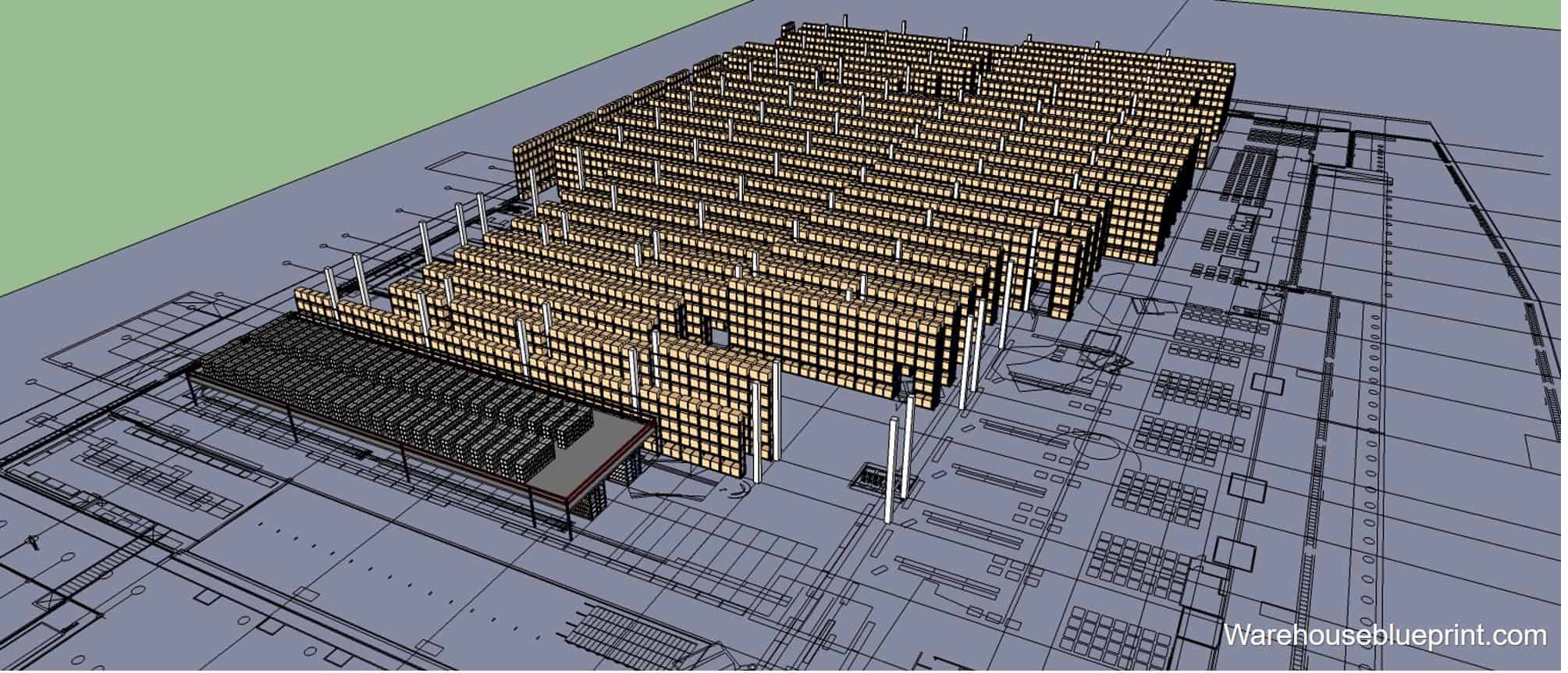
We’ll talk more throughout this post about some specific safety protocols you can implement to make your warehouse as safe as possible. In addition, an organized warehouse makes it easier to quickly identify and address potential safety hazards. If you want 3D mock-ups to help you visualize your design, WarehouseBlueprint has the features you need. With their heatmap extension, you can even map out your supply chain down to individual SKUS and, based on purchase frequency, place inventory within your blueprint. In pharmaceutical warehousing, prioritize compliance with stringent regulations. Implement temperature-controlled storage for sensitive medications, ensure traceability through robust tracking systems, and maintain a sterile environment.
processes to keep in mind when designing your warehouse layout
Your aisles (and how they’re configured) are the beating heart of your warehouse. They’re also one of the factors that can determine whether your layout is a success or failure. The most popular products are placed between the less popular ones (at the center of the U-shape). You also must think through how you’ll move stock and materials around in your warehouse and secure the appropriate equipment necessary for transport. Most small warehouses easily accommodate 8’-tall shelving, while larger facilities can house shelving that is 12’ and taller.
Key Considerations in Inventory Assessment
Analytics derived from the system’s data provide insights into demand patterns, operational bottlenecks, and resource utilization. This data-driven approach is pivotal for strategic planning and continuous improvement. This is not limited to static inventory levels but extends to the dynamic movements of products within the warehouse. Accurate inventory tracking is fundamental to avoiding stockouts, preventing overstock situations, and optimizing order fulfillment. Implementing a culture of continuous improvement is essential for sustained workflow efficiency. Regularly assess and reassess the design, seeking feedback from the operational staff, and leveraging performance metrics.
As we progress through the strategic steps of designing an effective warehouse layout, Step 5 focuses on the paramount task of harnessing vertical space. This step involves a meticulous approach to maximize storage capacity by incorporating tall racks and mezzanines, thereby capitalizing on the often underutilized vertical dimension of the warehouse. Certain sections may require narrower aisles for high-density storage, while others may benefit from wider aisles to accommodate specific handling equipment or operational processes.
How Industry 4.0 is Interwoven into Modern Warehouse Design - SupplyChainBrain
How Industry 4.0 is Interwoven into Modern Warehouse Design.
Posted: Thu, 04 Jan 2024 08:00:00 GMT [source]
Warehouse-caliber (metal and heavy-weight plastic) boxes, hoppers & barrels are common in manufacturing and assembly operations. Most businesses move these on pallets using pallet jacks, but some bins and hoppers are wheeled. You can purchase these in various sizes and materials that are capable of holding even heavy items. Pallet racks can be freestanding, though they’re designed to interconnect for long shelving runs. When used this way, it’s the most cost-effective shelving solution for large warehouse storage areas. If you need overstock areas for large stock purchases or materials storage, high shelves are a great way to preserve your warehouse floor space for production activities.
Integrations & Partners
Ensure proper warehouse layout design to minimize temperature variations and optimize the flow of perishable goods. In the grand symphony of warehouse operations, Enhanced Picking Technologies orchestrate a melody of efficiency, precision, and innovation. Whether transporting pallets, bins, or individual items, these vehicles adapt to diverse order picking requirements. Their precision in movement not only enhances operational efficiency but also contributes to the overall safety and reliability of order picking logistics. Automated Guided Vehicles (AGVs) roll onto the warehouse floor as beacons of precision on wheels. These autonomous vehicles follow predefined paths, transporting goods within the warehouse with unparalleled accuracy.
Take into account the compatibility of products when grouping them into storage zones. Products that are frequently picked together or are used in tandem should be stored in proximity to each other. This minimizes the need for extensive travel during order picking, leading to efficiency gains.
As aforementioned, the layout of your building will heavily affect the kind of design that’s feasible for your space. To get a sense of what’s possible, either procure a copy of your building’s floor plans or create one from scratch. Cantilever racks can handle your pipe, lumber, panels, and oversize material storage needs. Sizes and costs vary by need and type of material stored, so you’ll need to contact a used warehouse dealer or online vendors—like Alibaba or Shelving.com—to get a quote for your warehouse. At Interlake Mecalux, we are specialists in pallet racking, picking shelves, automated warehouses and logistics software. One of the things that makes the U-shaped design so great is that it can be easily expanded to work within almost any size warehouse space.
When everything runs efficiently, all of your warehouse operations will be set up for success. That’s why some companies utilize warehouse management software to automate the process. Warehouse management tools help to improve overall visibility into warehouse operations and track how products move between locations.
In conclusion, Step 7, the Integration of Technology, is pivotal in transforming warehouses into technologically advanced hubs of operational excellence. Warehouse Management Systems (WMS), automation solutions, and the promise of future technologies like AI and IoT collectively contribute to heightened efficiency, accuracy, and adaptability. The strategic implementation of technology ensures not only current optimization but also prepares the warehouse for the dynamic landscape of technological advancements. Before implementing vertical space utilization strategies, conduct a detailed analysis of the warehouse space.
However, if the lorries that are going to access these areas are owned by third parties and come from different sources, they will have different trailer heights. It opens when the lorry backs up to the building, and closes when the vehicle has finished the operation. Choosing the ideal warehouse location is pivotal for operational effectiveness, efficiency, and profitability.


No comments:
Post a Comment